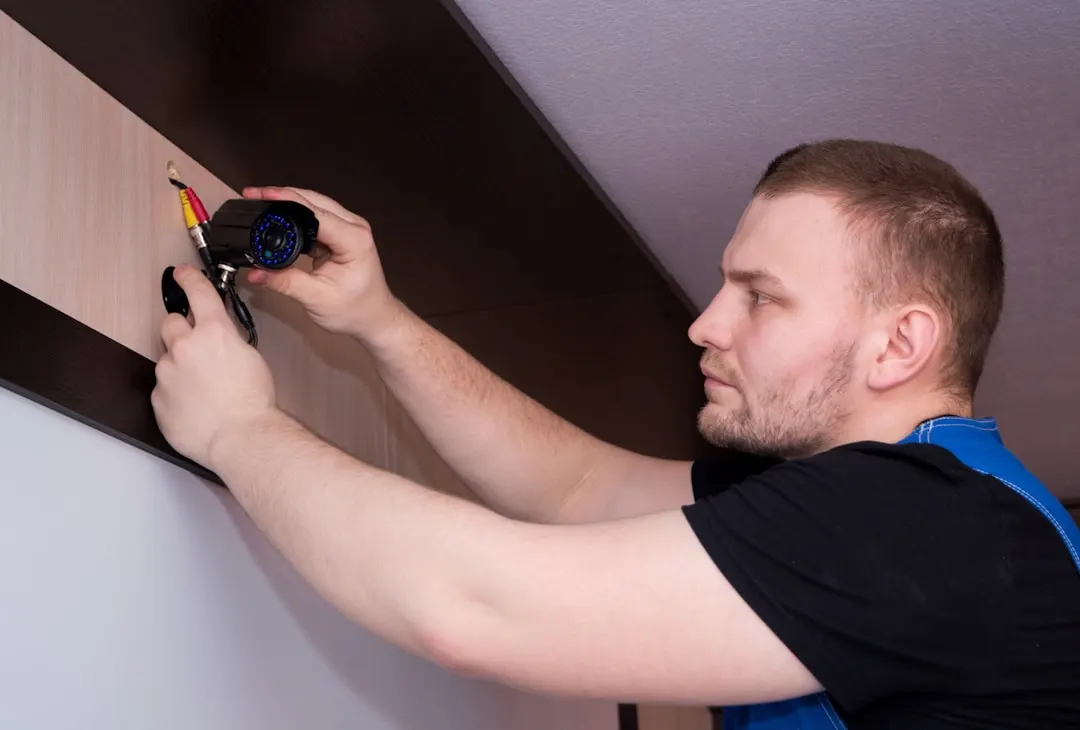
Start with location and timing.
Record the room or exterior area, nearby doors or penetrations, time of day, frequency, weather where relevant, and when the pattern changed. A wide contextual image can be more useful than an extreme close-up alone.
Document evidence without disturbing it.
Photograph observable activity, damage, droppings, shed material, travel paths, entry gaps, moisture, storage, or food access from a safe position. Do not approach an unknown nest or unsafe area to get a better image.
Note what changed.
Construction, deliveries, leaks, landscaping, weather, new storage, travel, neighboring work, and previous service can all help a qualified professional understand the pattern.
Keep the record honest.
Do not filter the evidence to fit an online guess. Preserve uncertainty and tell the provider what has already been cleaned, moved, sealed, trapped, or treated.
General concepts reference current EPA IPM guidance and EPA service-selection guidance. This article is not identification, treatment, pesticide, medical, legal, or property-specific advice.